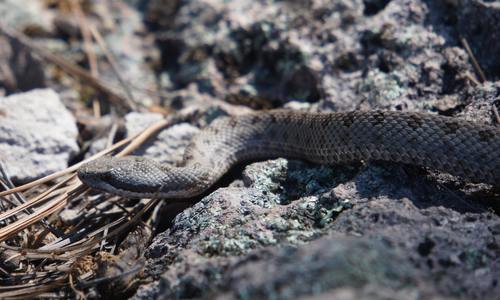
Twin-spotted Rattlesnake
Crotalus pricei
- Venom
- Venomous
- Constrictor
- Non-constrictor
- Type
- Pit Viper
- Family
- Viperidae
- Genus
- Crotalus
- Continents
- North America
- Countries
- 2
- How common
- Common
About
Twin-spotted Rattlesnake (Crotalus pricei) is a venomous pit viper of the family Viperidae, found in Mexico, United States. It lives in habitats such as tropical dry forest, temperate coniferous forest, subtropical dry forest, pine forest and 28 more. Common: recorded in 101 places on iNaturalist.
Where it lives
Native range
Habitats
Estimated from where this snake is recorded and what kind of snake it is - not a confirmed habitat survey.
- Tropical Dry Forest
- Temperate Coniferous Forest
- Subtropical Dry Forest
- Pine Forest
- Scrub Forest
- Thorn Forest
- Montane Woodland
- Mountain Forest
- Forest Edges
- Scrubland
- Desert
- Hot Desert
- Semi-Desert
- Rocky Desert
- Gravel Desert
- Coastal Desert
- Desert Scrub
- Rocky Hillsides
- Rocky Outcrops
- Cliffs
- Canyons
- Gorges
- Mountain Slopes
- Highlands
Related snakes
- Crotalus caliginis
- San Esteban Island Rattlesnake Crotalus estebanensis
- Veracruz Neotropical rattlesnake Crotalus mictlantecuhtli
- Tehuantepec Isthmus Neotropical rattlesnake Crotalus ehecatl
- Crotalus muertensis
- Horsehead Island speckled rattlesnake Crotalus polisi
- Great Basin Rattlesnake Crotalus lutosus
- Crotalus aquaticus
- Isla Piojo Speckled Rattlesnake Crotalus thalassoporus
- Mexican Pygmy Rattlesnake Crotalus ravus
- Tiger Rattlesnake Crotalus tigris
- Western Diamond-backed Rattlesnake Crotalus atrox
Stay safe: a photo or a web page can never tell you for certain that a snake is harmless. Keep your distance, never handle a wild snake, and get medical help straight away after any bite.